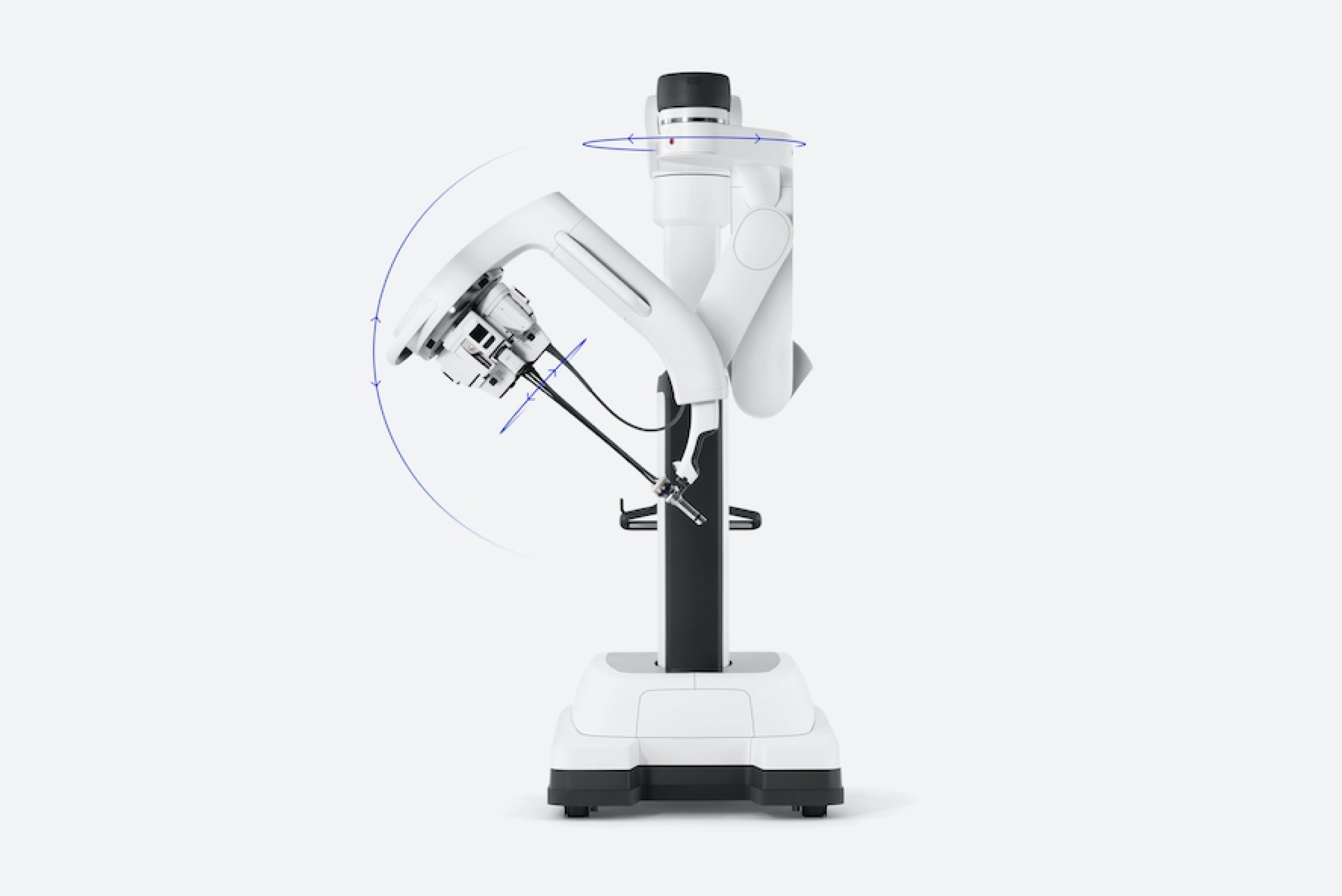
With the first da Vinci prostatectomy performed in 2000, urologic surgeons began creating a deep legacy of continuous innovation and collaboration with Intuitive, including the evolution of techniques, such as single port transvesical enucleation of the prostate (STEP).* That legacy generated a track record of positive clinical outcomes through a shared and long-standing belief in robotic urologic surgery.
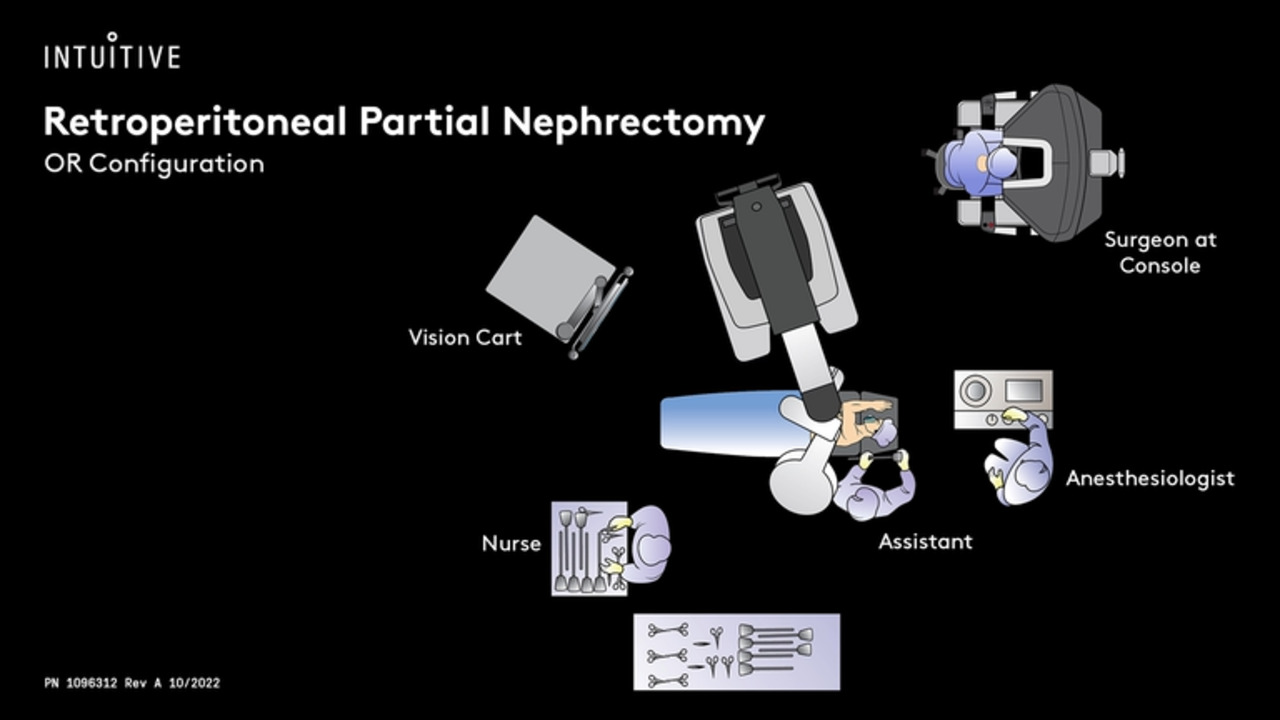
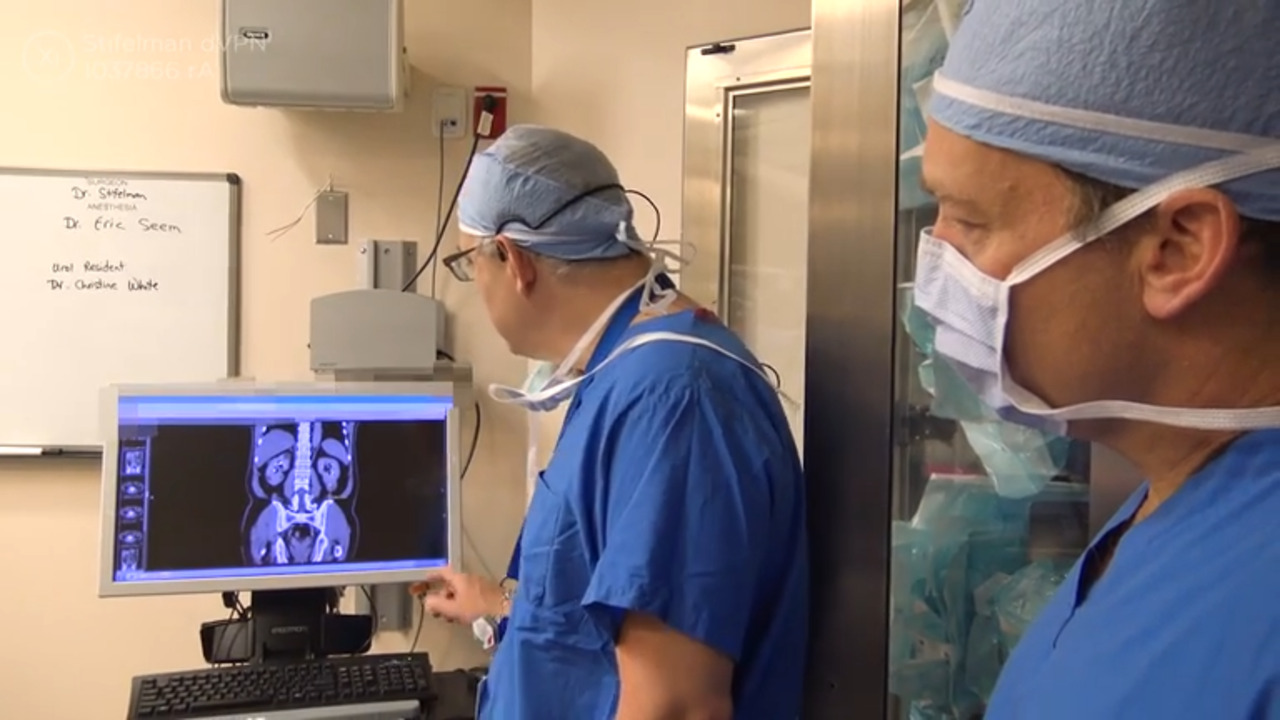
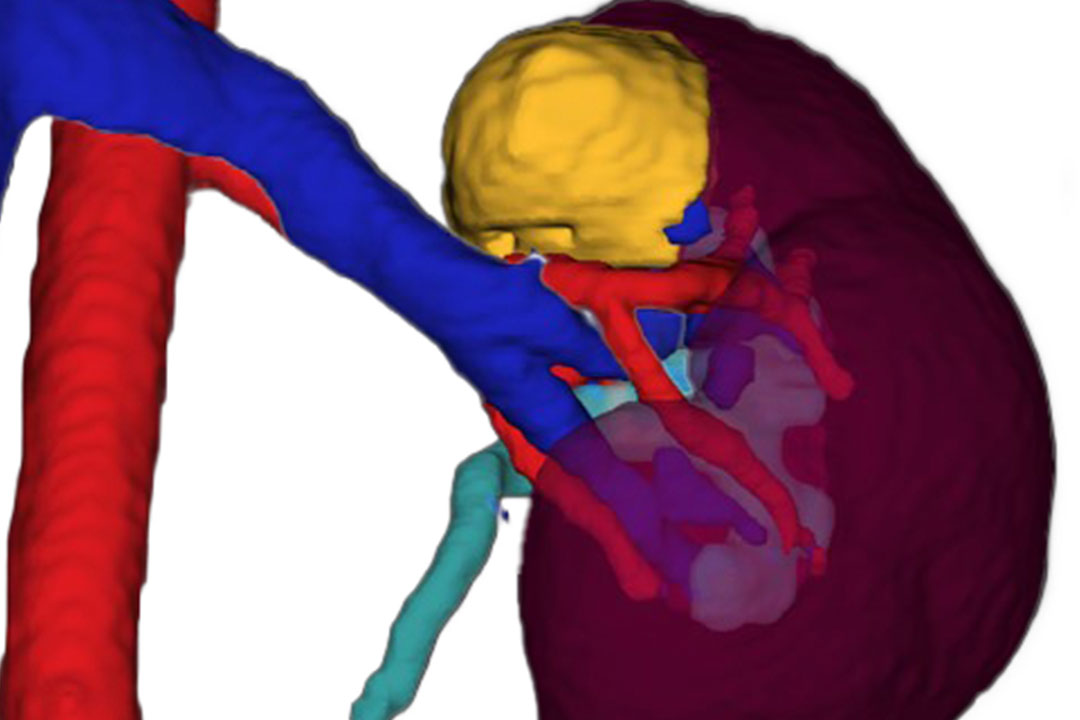
Today, the evolving needs of urologic surgeons still inspire our drive to innovate beyond multiport robotics. See how the da Vinci SP surgical system enables single port entry at different access points in prostatectomy and nephrectomy cases performed by Drs. Kaouk, Ahmed, and Nelson. Also, watch Dr. Stifelman use the da Vinci Xi surgical system to perform a partial nephrectomy.
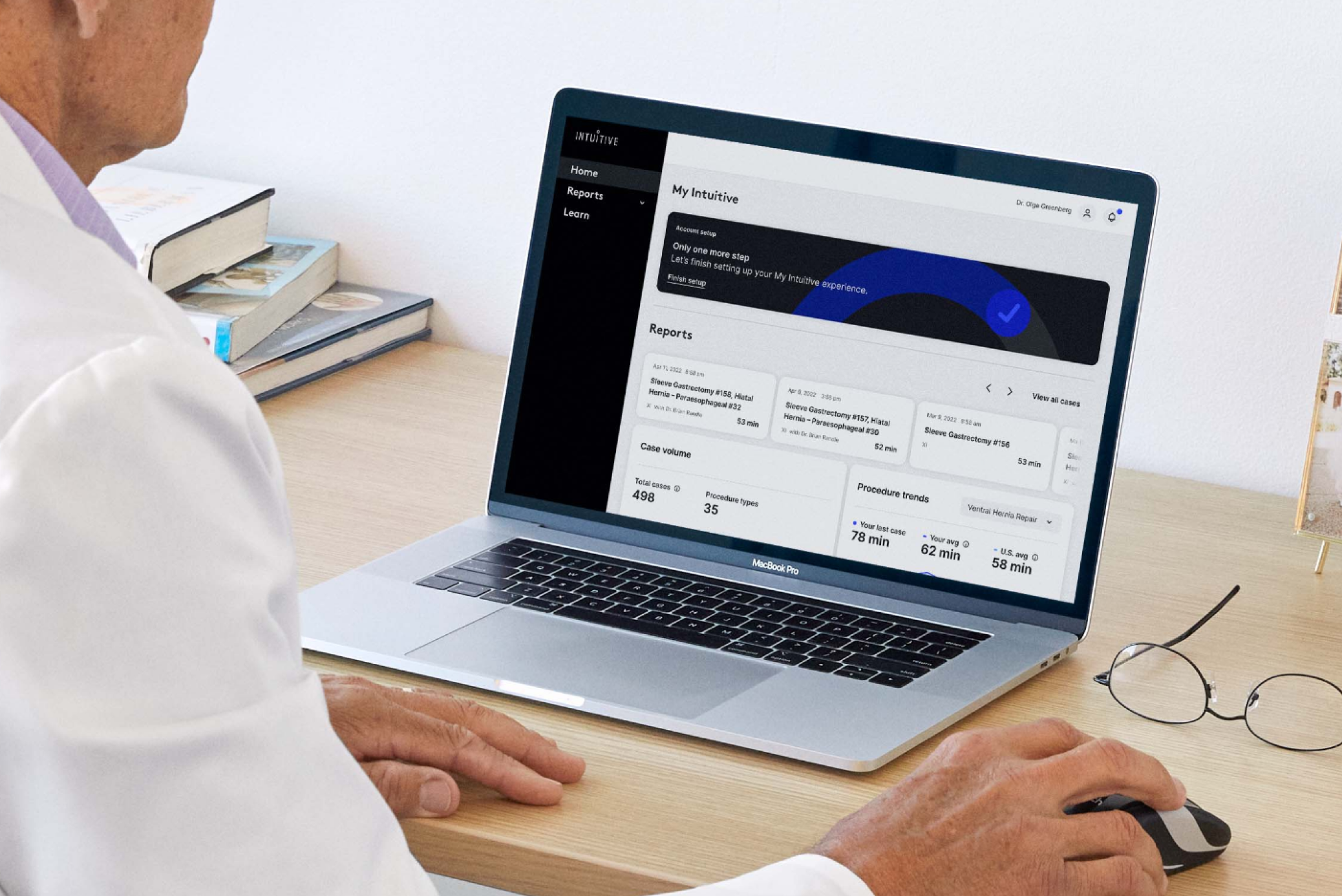
View our webinars for peer-to-peer learning dedicated to the innovative spirit of urologic surgeons and their journeys with robotics. Hear from surgeons about their experiences with the extensive Intuitive Ecosystem of technology, learning, services, and digital insights.
Get the latest tips on techniques, expanding your practice, and building da Vinci programs. Topics include surgeon experiences with incorporating da Vinci 5, Xi, and SP into a practice, choosing the right da Vinci system for your procedures.
Urologic surgeons’ early adoption of da Vinci systems has generated an extensive and substantial body of peer-reviewed publications, which continue to be published today. These papers reflect existing and overall documentation of positive clinical outcomes for da Vinci prostatectomy and nephrectomy.
Review evidence of radical and STEP* prostatectomy outcomes, such as length of stay.
*Da Vinci SP is FDA cleared for simple prostatectomy via transabdominal, extraperitoneal, and transvesical approaches.
Important safety information
Serious complications may occur in any surgery, including da Vinci surgery, up to and including death. Serious risks include, but are not limited to, injury to tissues and organs and conversion to other surgical techniques which could result in a longer operative time and/or increased complications. For summary of the risks associated with surgery refer to www.intuitive.com/safety.
For product intended use and/or indications for use, risks, cautions, and warnings and full prescribing information, refer to the associated user manual(s) or visit https://manuals.intuitivesurgical.com/market.
Individual outcomes may depend on a number of factors—including but not limited to—patient characteristics, disease characteristics, and/or surgeon experience.
Da Vinci SP system
The safety and effectiveness of this device for use in the performance of general laparoscopic surgery procedures have not been established. This device is only intended to be used for single port urological and general thoracoscopic surgical procedures and for transoral otolaryngology surgical procedures in the oropharynx for benign tumors and malignant tumors classified as T1 and T2 with the da Vinci EndoWrist SP Instruments and the da Vinci SP Surgical System (SP1098).
Da Vinci Xi/X system
The demonstration of safety and effectiveness for the representative specific procedures did not include evaluation of outcomes related to the treatment of cancer (overall survival, disease-free survival, local recurrence), except for radical prostatectomy which was evaluated for overall survival, or treatment of the patient’s underlying disease/condition. Device usage in all surgical procedures should be guided by the clinical judgment of an adequately trained surgeon.
Da Vinci 5 system
The system is indicated for urologic surgical procedures, general laparoscopic surgical procedures, gynecologic laparoscopic surgical procedures and general thoracoscopic surgical procedures. The system is also indicated for selected thoracoscopically-assisted cardiac surgical procedures using the non-force feedback instruments. For risks, cautions, and warnings and full prescribing information, refer to the associated da Vinci 5 Surgical System user manual(s).
Contraindication
Use of the force feedback needle driver is contraindicated in hysterectomy and myomectomy due to the risk of vaginal bleeding requiring hospital readmission and/or the need for additional procedures. The use of non-force feedback needle drivers is recommended for suturing in these procedures.
Precaution for Representative Uses
The demonstration of safety and effectiveness for the representative-specific procedures was based on evaluation of the device as a surgical tool and did not include evaluation of outcomes related to the treatment of cancer (overall survival, disease-free survival, local recurrence) or treatment of the patient’s underlying disease or condition. Device usage in all surgical procedures should be guided by the clinical judgment of an adequately trained surgeon.