Da Vinci Hysterectomy
-
 Da Vinci hysterectomy explained with 3D animation.In this video, you’ll learn more about the da Vinci system and how surgeons use it to perform partial, total, and radical hysterectomies.Jan 28, 2026 | 00:03:49
 -
 Dr. Kowalski and her patient share their experiences with da Vinci hysterectomy surgery.Testimonial video featuring Dr. Lynn Kowalski, her patient Roni, and Roni’s family discussing their experiences and perspectives on hysterectomy surgery with da Vinci.Jul 26, 2018 | 00:02:21
Confident decisions start here, learn about da Vinci GYN surgery
A hysterectomy is surgery to remove the uterus, and possibly the ovaries and fallopian tubes. There are several conditions that may prompt your doctor to recommend a hysterectomy. They range from benign (noncancerous) conditions, like endometriosis or fibroids, to cancer conditions, like endometrial or uterine cancer.1,2
On this page, you’ll find an overview of the types of hysterectomies, information on how hysterectomies are performed, questions you can ask your doctor, and how to find a surgeon who performs da Vinci hysterectomies.
What is a hysterectomy?1,2
There are several types of hysterectomy: partial hysterectomy, simple or total hysterectomy, and radical hysterectomy. Your surgeon will discuss what they recommend, depending on your reason for surgery.
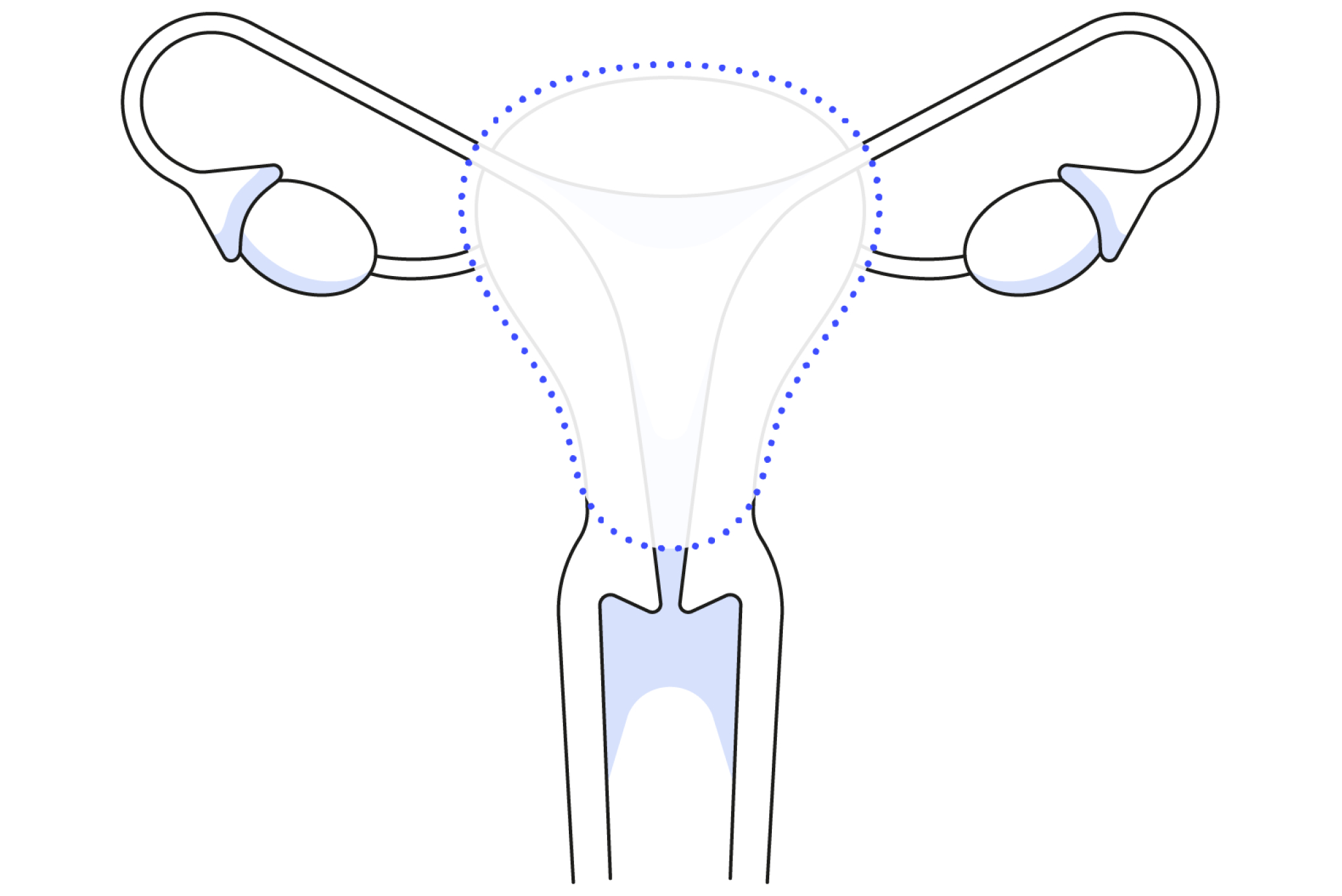
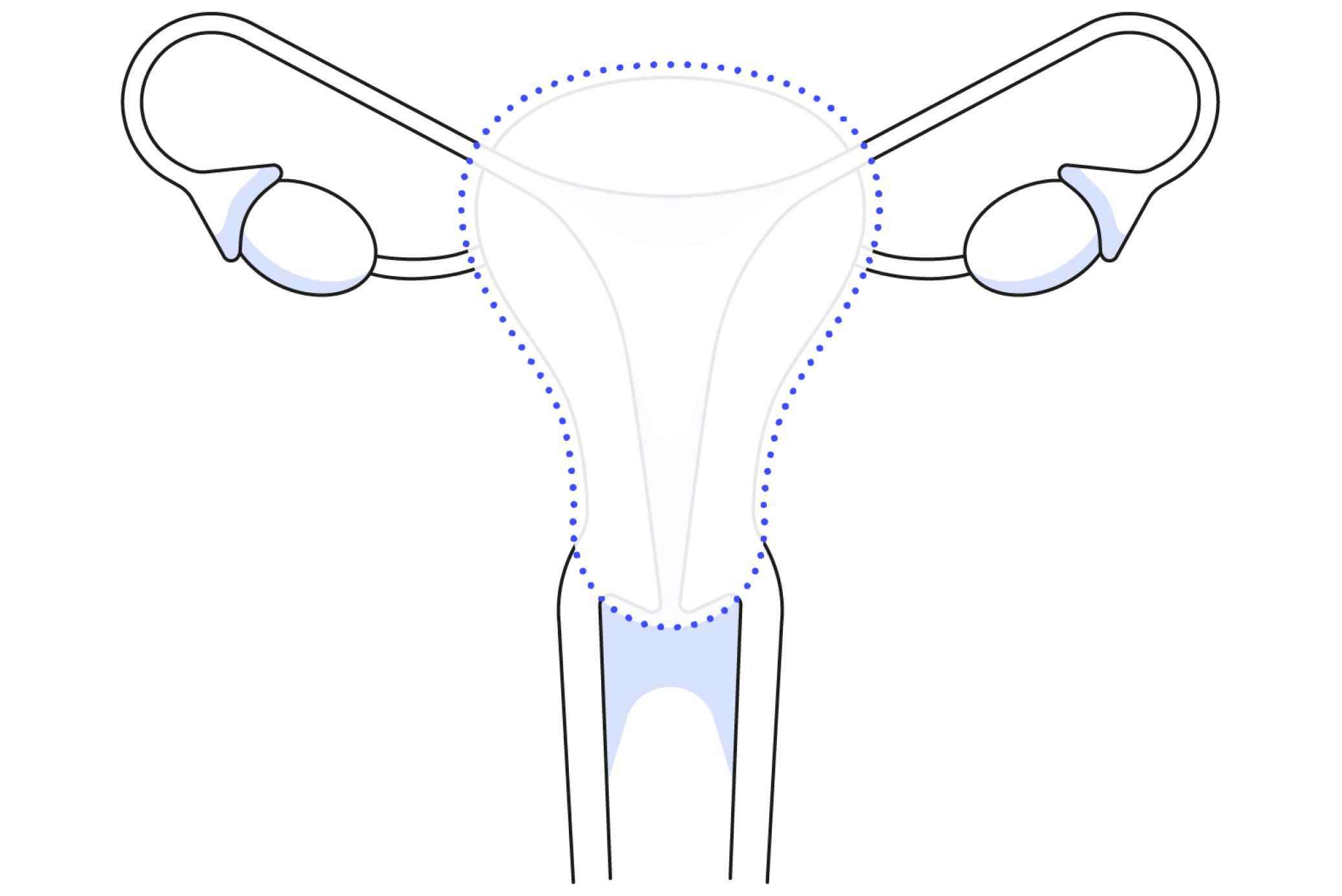
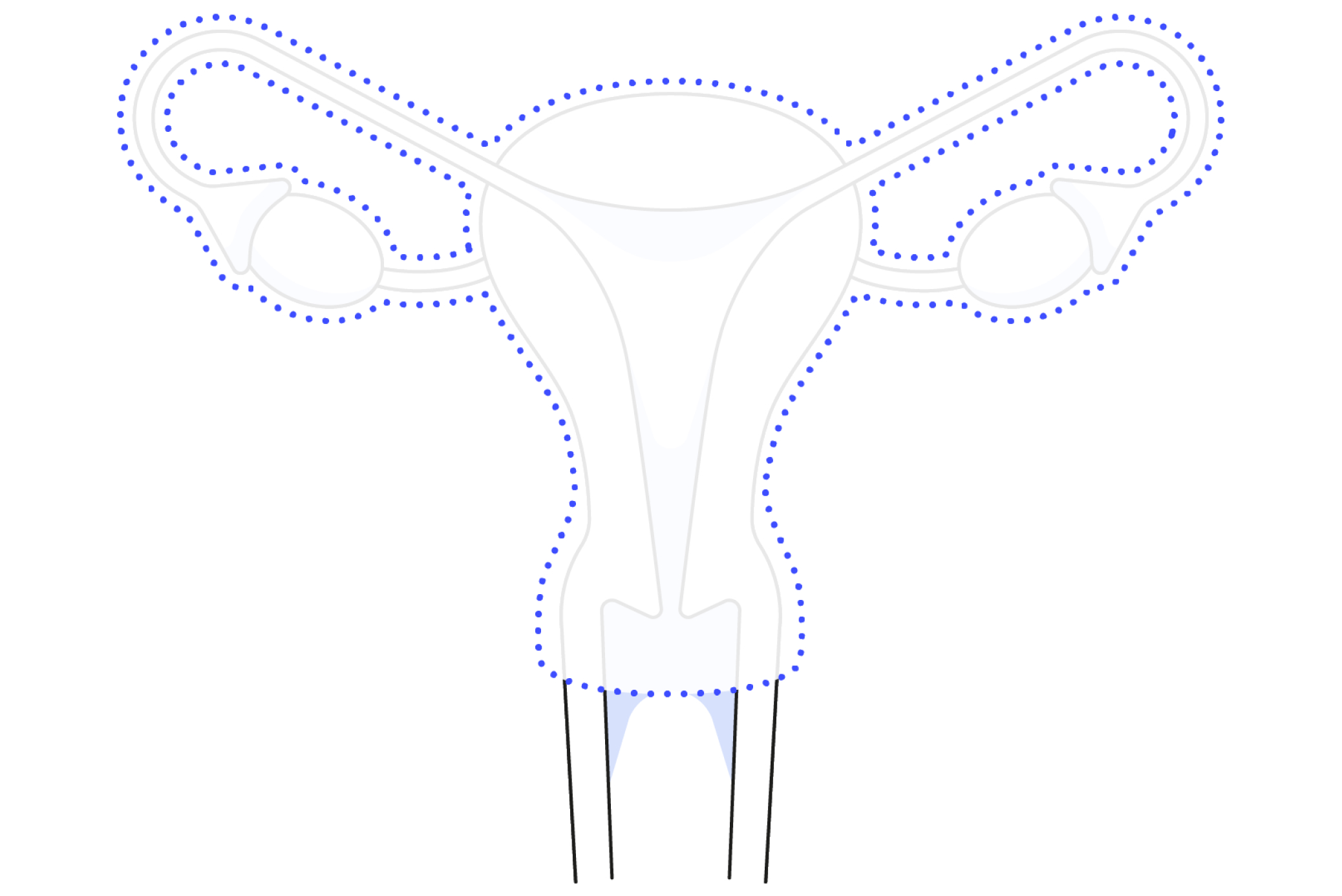
Minimally invasive hysterectomy with da Vinci
Surgeons can perform hysterectomies using a traditional open approach or minimally invasive surgery. Open surgery requires an incision (cut) in your lower abdomen long enough for the surgeon to access the organs and use hand-held instruments. Minimally invasive surgery allows your surgeon to perform a hysterectomy using smaller incisions instead of the one long cut used in open surgery. The three main types of minimally invasive hysterectomy are vaginal, laparoscopic, and da Vinci surgery. In a vaginal hysterectomy, surgeons remove the uterus through an incision in your vagina. In a laparoscopic hysterectomy, surgeons use long-handled tools while viewing magnified images from the laparoscope (camera) on a video screen. In a da Vinci hysterectomy, surgeons use a robotic system with a high-definition camera. The surgeon guides small instruments through a console.

Many hysterectomies, including both simple and more complex procedures, can be performed using minimally invasive techniques. Da Vinci surgery is one option your surgeon may use to perform the procedure through a few small incisions.
Da Vinci 5, the latest generation of the system, is designed to support your surgeon during delicate gynecologic procedures by providing enhanced visualization and refined control in deep pelvic areas. These features may help your surgeon perform the operation through smaller incisions compared to traditional open surgery.
Having smaller incisions usually means you’ll have a shorter recovery time. You may also have less pain after surgery and a quicker return to your daily life—outcomes that matter for women balancing health, family, and everyday life.
The da Vinci system is a tool used for surgery, but it does not treat cancer. The system extends surgeon capabilities within minimally invasive surgery. Your surgeon can help you understand whether a minimally invasive approach using the da Vinci system is appropriate for your specific needs. Every woman’s situation is unique, and understanding your options can help you feel confident as you make decisions about your care.
It’s important to remember that Intuitive does not provide medical advice. After discussing all options with your doctor, only you and your doctor can determine whether surgery with the da Vinci system is appropriate for your situation. You should always ask your surgeon about his or her training, experience, and patient outcomes.
Ask your surgeon about their da Vinci surgery outcomes
Every surgeon's experience is different. Be sure to talk with your surgeon about the surgical outcomes they deliver using the da Vinci system.
For example, ask about:
- Length of hospital stay
- Complication rate
- Rate of returning to the hospital within 30 days of surgery
- Reoperation rate
- Transfusion and/or blood loss
- Chance of changing to an open procedure
- Length of operation
- Mortality rate
There are additional surgical outcomes you may want to talk about with your doctor. Please ask to discuss all important outcomes. Every surgery involves risk and you can read more about those associated with hysterectomy.
Questions you can ask your doctor
- What medical and surgical options are available for me?
- Which is best for my situation?
- What are the differences between open, vaginal, laparoscopic, and robotic-assisted surgery?
- If I am a candidate for hysterectomy, how can I prepare for it?
- Can you tell me about your training, experience, and patient outcomes with da Vinci systems?
- How will I feel after surgery?
Additional resources
Da Vinci system overview
Learn more about da Vinci 5, our newest and most advanced da Vinci system.
What to expect
Explore what happens on the day of surgery with the da Vinci system and tips for planning and preparation.
Hysterectomy for benign conditions
Hysterectomy for cancer
See details about hysterectomy for oncology (cancer) conditions in our brochure designed for patients and their families.
Types of da Vinci surgery for gynecologic conditions
Gynecologists perform robotic surgery using da Vinci systems in many types of procedures.
- Hysterectomy. Johns Hopkins Medicine. Accessed 8 December 2025.
- Hysterectomy. Office on Women’s Health. Web. 27 February 2025. Accessed 8 December 2025.