The most compelling innovations in surgery rarely arrive as declarations. They emerge in conversations—in how surgeons challenge assumptions, share insights, and refine what better care looks like.
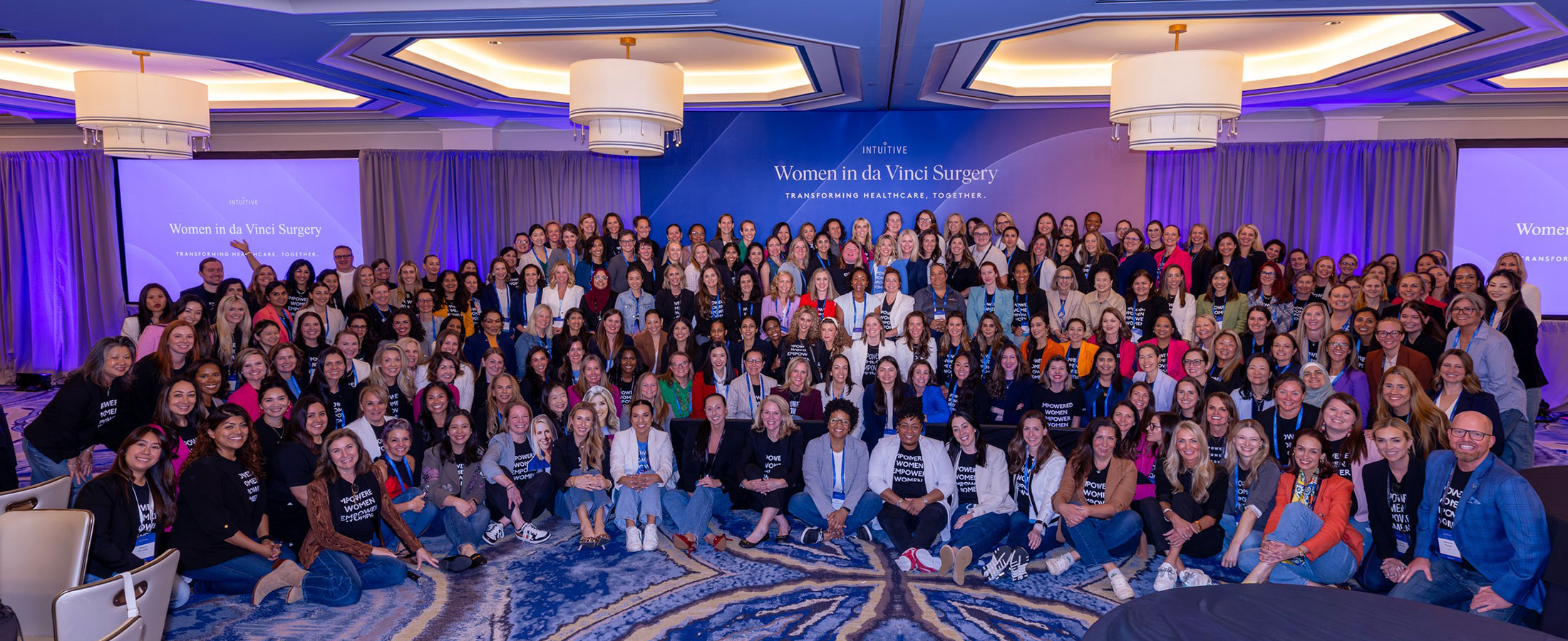
At Intuitive’s 9th Women in da Vinci Surgery (WIDVS) Symposium, held in Austin, Texas, those exchanges took on even more depth. Over two days, nearly 200 healthcare professionals—including surgeons and clinicians across specialties like urology, gynecology, thoracic, general surgery, pulmonology, and colorectal—came together to share not only clinical insight but lived experience.
They shared moments of progress, moments of doubt, and the realities that shape how they practice. And that sense of community created space for something more than discussion. It allowed ideas to sharpen, perspectives to shift, and a shared belief to take hold: When women surgeons come together in this way, better patient care is possible.

Drs. Quanita Crable, Hirra Ali, and Maram Said exchange thoughts during a panel.
One area where that evolution came through clearly at WIDVS was the new approaches surgeons are exploring when it comes to caring for their patients.
Surgeons spoke of notable innovations in breast and colorectal surgery. Recently, nipple-sparing mastectomy (NSM) was cleared as a new indication on da Vinci SP, our single-port surgical system—providing patients with a less-invasive procedure than conventional NSM, with early results showing reduced concern of nipple ischemia and preservation of sensitivity, in many patients.1,2 Dr. Mara Piltin, an early pioneer of the procedure, said changes in the way mastectomies are performed are worth exploring.
“We’ve had incredible advances in breast cancer treatment from a medical standpoint, but from a surgical perspective, innovation has been relatively stagnant. What’s exciting now is that robotic nipple-sparing mastectomy is changing that,” Piltin said.
“We’re seeing comparable complication rates, strong patient outcomes, and patients who don’t feel like they’re constantly reminded of what they’ve gone through. That matters—because the physical outcome is tied so closely to emotional recovery.”1-4
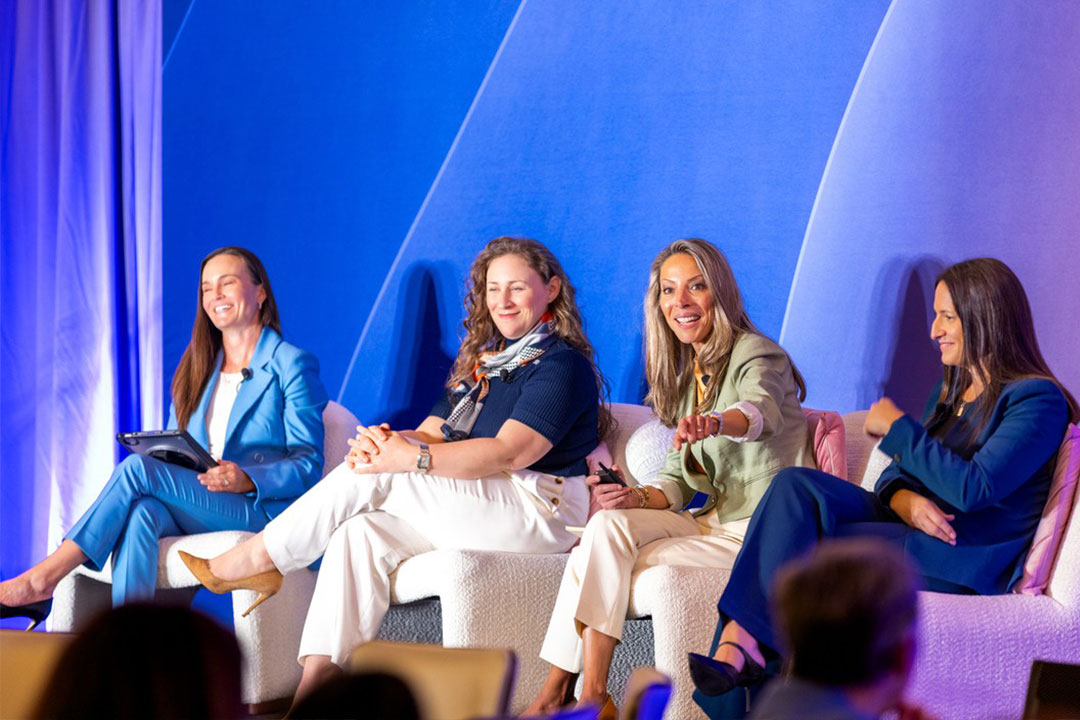
Intuitive’s Vice President US Digital Kristina Carden with Drs. Mara Piltin, Laila Rashidi, and Jennifer Preston discussing the latest in surgical innovation.
“When you take a procedure that used to require a large incision and you can do it through a small access point—sometimes just a few centimeters—it changes how you think about what’s possible,” Rashidi said. “For me, the question is always: If I were the patient, what would I want? And the answer is always the least invasive option that still delivers the best outcome.”
These new approaches to care point to a consistent idea that surfaced throughout the symposium: that innovation is driven by the realities surgeons encounter in practice—and by the responsibility to improve them.
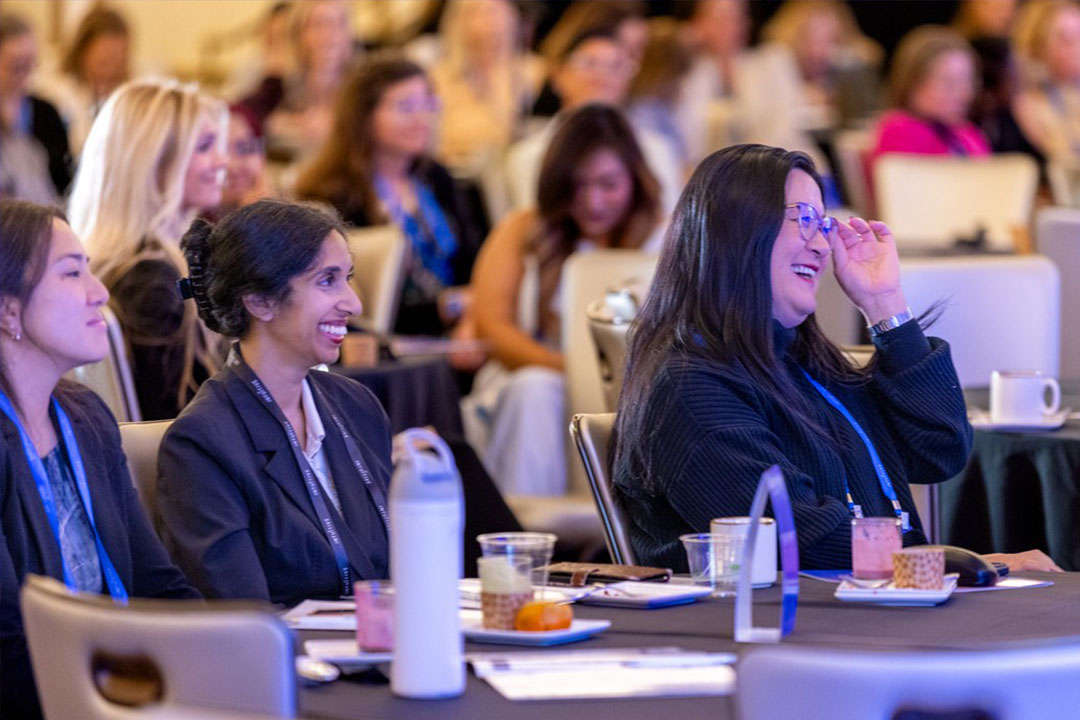
This year, nearly 200 surgeons, clinicians, and healthcare executives attended WIDVS.
Another theme that ran through the discussions was how data influences the ways surgeons innovate, perform, and train.
With digital tools included with da Vinci 5 like SimNow 2, Force Feedback instruments, and Telepresence, surgeons like Dr. Jennifer Preston believe training and access are better than ever.
“We’ve been teaching surgery the same way for decades, but everything else has changed,” Preston said. “What these digital tools give us is the ability to personalize learning, measure progress, and accelerate development in ways we haven’t had before.”
These tools also expand how knowledge moves and connects surgeons. Through Telepresence, a surgeon’s impact is no longer limited to the patients they treat directly.
“If you think about your impact as a surgeon, it used to be limited to the patients you could treat,” Preston said. “But when you train others, when you use tools like Telepresence, when you extend your knowledge beyond your own operating room—that impact multiplies.”
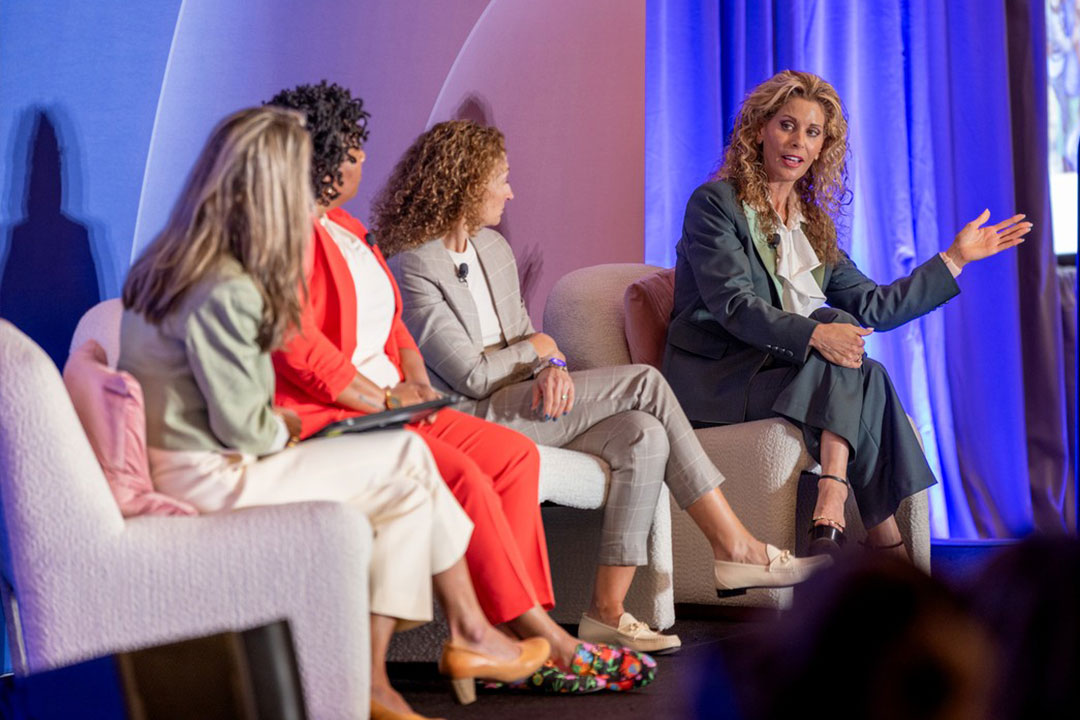
Dr. Sharona Ross shares an insight during a panel at WIDVS.
For some surgeons, improving care means stepping back and looking at the entire system.
Dr. Emily Cassidy, a thoracic surgeon, described building a lung cancer program designed to identify more patients at earlier stages to improve diagnosis, begin treatment sooner, and increase survivability.
“It would be really easy as a thoracic surgeon to say, ‘my job is just to operate’,” Cassidy said. “It’s another thing to step back and realize that you can have a broader impact on a whole disease site and strategize how you’re going to do that.”
Performing a non-invasive biopsy with Ion, Cassidy said that broader impact includes connecting detection, diagnosis, and intervention into a more cohesive pathway. What emerges is a different model of innovation—one that demonstrates how patients move through care, not just how procedures are performed.
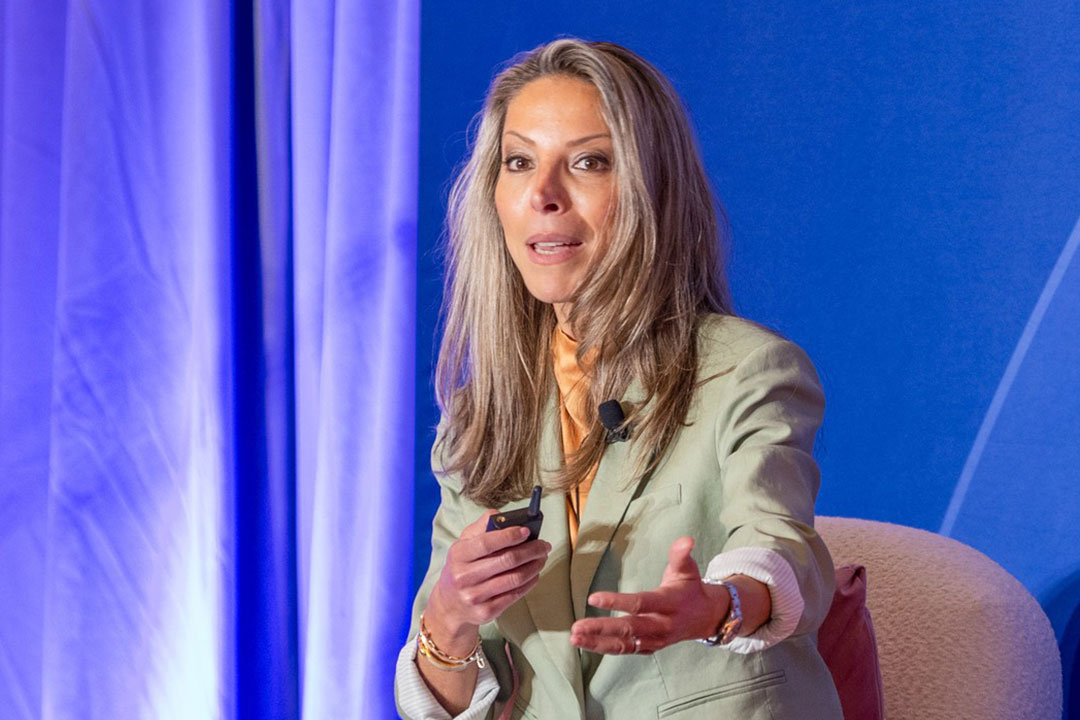
Dr. Laila Rashidi addresses attendees during a session.
Taken together, these perspectives point to something deeper about how progress is made. Innovation in surgery isn’t driven by technology alone. It’s carried forward by the surgeons willing to prove we can do better.
That dynamic was unmistakable throughout WIDVS.
The sense of community that creates the conditions for ideas to be tested, shared, and carried forward allows individual insight to become collective progress—and better patient care.
Financial disclosure
Testimonials are based on unique experiences from current customers. Individual results may vary. The physicians have received compensation from Intuitive for consulting and/or educational services.
Important safety information
For product intended use and/or indications for use, risks, cautions, and warnings and full prescribing information, refer to the associated user manual(s) or visit manuals.intuitivesurgical.com. For summary of the risks associated with surgery and bronchoscopy refer to www.intuitive.com/safety.
Privacy notice
Intuitive’s Privacy Notice is available at www.intuitive.com/privacy.
© 2026 Intuitive Surgical Operations, Inc. All rights reserved. Product and brand names/logos, including Intuitive, da Vinci, and Ion, are trademarks or registered trademarks of Intuitive Surgical or their respective owners. See intuitive.com/trademarks.